
Discover your dream London venue with our fast and free bespoke service
Save time and money with our free venue finding service
The Corporate Event Planner’s End-to-End Guide to Choosing a London Venue
Friday 23 October 2026
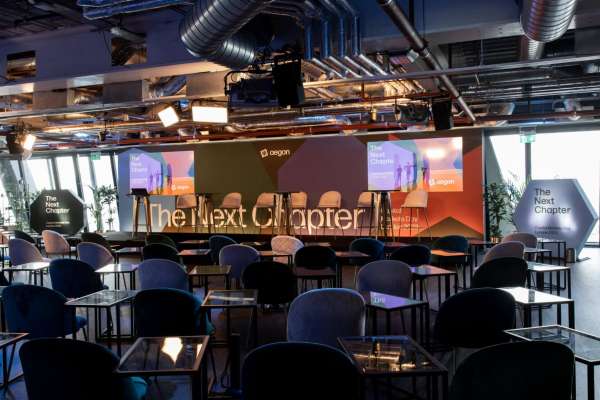
This guide - collated through years of experience from Venue Search London’s event sourcing team - takes you from the initial concept, through to planning decisions you may need to make along the way and the final checks before you book.
Choosing a London venue for your company event might feel like a simple search: enter the date, guest numbers and preferred area, then compare the results. In practice, those details are only the beginning. Two spaces with the same advertised capacity can produce entirely different events, while two apparently similar quotes may include very different things.
Whether you are arranging your first company conference, a recurring annual celebration or an important client event, the right venue needs to work for your guests, your programme and your budget.
1. Before you start: define the event behind the brief
What does the event need to achieve?
Start with the purpose. Are you bringing colleagues together to share company information, celebrate a milestone or reward a team? Is it about strengthening client relationships or perhaps launching something new? The answer affects everything from room layout to food, AV and timings.
For a conference, clear sightlines, acoustics and a smooth move into breakout sessions may matter more than an impressive entrance. For a client reception, you may place greater weight on atmosphere, service and spaces where people can talk comfortably. A Christmas party needs its own balance of accessibility, food, entertainment and reasons for people to attend, whether it’s a daytime or evening event.
If this is an event you have held before, look back before looking ahead. Which venue and format worked? Where did guests spend their time? What feedback did you receive, and what did the event actually cost? A previous event gives a venue finding team valuable context, even when you want this year’s experience to feel completely different.
Set a realistic guest range and format
A venue’s headline capacity is rarely enough to establish whether it suits your event. The same room might hold 300 people standing but far fewer for a seated dinner with a stage and dance floor. A conference layout could change things again if you need camera positions, accessible circulation or space for exhibitors.
Estimate both a credible minimum attendance and the upper number you may need to accommodate. Ask venues for capacities in the layout you intend to use, then consider whether the room will feel comfortably busy at the lower number. For a multi-part or multi-function event, check each space separately: the main room may fit everyone while the reception area or cloakroom does not.
Work backwards from the date
Popular dates and venues can book well in advance, especially for Christmas parties, large conferences and events requiring extensive production. Start the search as early as your internal decision-making and budgeting process allows. A flexible date can open up more options, while a fixed date makes it particularly important to agree the brief and get decision-makers’ buy-in quickly.
Build time into your plan for a shortlist, site visits, internal approval, contract review and deposit. Ask how long a venue can hold a date provisionally and what must happen to confirm it. If your organisation cannot approve or pay a deposit until a later financial period, establish that before treating a held date as secure.
Give the budget its full meaning
State the total amount available for the event, and be clear whether it includes VAT. Then identify what it must cover: venue hire, catering and drinks, production, furniture, staffing, entertainment, transport, accommodation and any agency or supplier costs.
A room-hire figure alone will not tell you whether an event is affordable. A hotel package may include furniture, catering and basic AV; a blank canvas venue may need you to source almost everything. Sharing an honest budget early helps an expert identify options that will work once the whole event is priced.
It also helps to separate “must-haves” from preferences. If the budget cannot stretch to the desired date, postcode, format and guest count together, which can move? An experienced venue finder can offer a different area, day or format without losing sight of the event’s purpose.
2. Before you choose: assess the location and guest journey
Choose a location your audience can reach
“Central London” means different things to different people. An organiser may mean Covent Garden; guests arriving from the north of England may find King’s Cross or St Pancras more useful. For an after-work event, proximity to the office could support attendance. For a national conference, rail connections, hotels and the route from the station may carry more weight.
Be specific about where guests will travel from and when they will leave. Consider late-night journeys, international arrivals and whether a small change in postcode could widen your choice. Our London neighbourhood guide explores how different areas suit different audiences and event styles.
Look beyond the advertised accessibility features
Accessibility should be part of the initial venue brief and the site visit. Ask about step-free arrival from the street, lifts between all event areas, accessible toilets, hearing support and seating positions. Check the route to breakout rooms, dining spaces and terraces, not just from the entrance to the main room.
Think about other needs your guests may have, including clear signage, quiet space, dietary requirements and places to sit during a standing event. A venue can be technically accessible while still requiring a complicated or uncomfortable journey through the building. Ask the team to show you the route a guest would actually take.
Match the layout to the programme
Picture the event in sequence. Where will guests register? Can they collect a drink without blocking the entrance? How will they move between the main session, breakout rooms and catering? Will a separate room feel like a natural continuation of the event, or will guests struggle to find it?
Privacy matters too. A client discussion may need a genuinely private room rather than a screened-off restaurant area. For a launch, consider where guests will see the product and whether there is enough space to gather around it as well as any photography or videography requirements. For a party, make sure the dance floor does not leave everyone else without a place to talk.
These details are difficult to judge from brochures. They are why the specific room and its connections to other spaces matter as much as the venue’s name.
Use the site visit to test the proposal
Visit your strongest options with the event schedule and a list of questions in hand. Ask to see the room in the proposed layout, or request a floor plan that shows the stage, tables, catering points and circulation. Walk from the nearest practical arrival point through registration, cloakroom, event rooms and toilets.
Check access for suppliers as well as guests. Where can equipment be loaded? When can teams get in to set up, and how long is allowed for the event to be cleared afterwards? A spectacular venue or room may be unsuitable for a complex production if access begins only shortly before guests arrive.
For more prompts, see our “dream venue” guide and site visit tips.
3. All about the space: understand what is included
Compare a ready-to-use venue with a blank canvas
There is no single best venue style. A restaurant, hotel or purpose-built conference venue may provide much of the furniture, food, service and technology you need. A historic building or industrial space may offer a remarkable backdrop and more freedom to create something bespoke.
The most useful comparison is what each venue will take to make the event work. Ask for an itemised proposal showing what is included, what is available at extra cost and what you must bring in. A characterful room that already looks right for your brand may need little decoration. A raw space with a lower hire fee can become considerably more expensive once it is furnished, lit and staffed.
Check catering against the format and the building
Decide how food should support the event. A seated dinner gives structure to an evening; bowl food or stations can encourage movement and conversation. A working conference may need quick, reliable breaks that keep the programme on time.
Then ask how the venue delivers it. Is there an equipped kitchen? Can the venue cater in-house? Must you use an approved supplier? If a caterer needs to bring in equipment or create a temporary kitchen, those costs belong in the comparison. Confirm service staffing, dietary arrangements, drinks packages, corkage and any service charge.
For a large group, examine the flow: how long will it take to serve everyone, and will food points create queues? The menu can be excellent on paper yet disappoint if the room and service plan cannot support it.
Define the AV and production brief early
“AV included” can mean a screen and microphone, or a comprehensive technical setup. Specify what the event needs: sound, screens, staging, lighting, presentation connections, recording, streaming or support for remote speakers. Ask what equipment is already installed, who operates it and what additional technicians or rehearsal time will cost.
In unusual or historic spaces, check power, rigging, permitted fixings and restrictions on lighting or sound. Production also has a schedule: equipment must arrive, be installed, tested, operated and removed. Ask whether all of that fits within the hire period.
If a technical quote is difficult to interpret, clarify what each item does before cutting it. Inadvertently removing a critical microphone or light can have a detrimental effect on the event that may cost more than its line in the budget.
Account for the practical extras
Some of the least glamorous details have the biggest effect on the day. Ask about furniture, cloakroom staffing, security, signage, Wi-Fi, cleaning, toilets and waste removal. If there is outdoor space, find out how it operates in poor weather and whether the indoor alternative can hold the same number of guests.
For multi-day events, consider bedroom availability and the distance between accommodation and the venue. For evening events, check licensing and finish times. These are often the details that determine whether an attractive proposal is genuinely workable.
4. Before you book: compare costs, terms and timing
Put every proposal on the same basis
Ask each venue to quote against the same guest range, layout, timings, catering requirement and production assumptions. Separate confirmed inclusions from estimates. If one quote assumes a minimum of 200 guests and another assumes 300, compare the difference before declaring one the better value.
Look closely at minimum spend, VAT, service charges, staffing, supplier fees, overtime, additional access hours and any costs for using areas beyond the principal room. A museum or landmark hire, for example, may not include access to every space that appears in its photographs.
Date flexibility can help the budget. A less popular day, a different season or a nearby neighbourhood may give you more scope to negotiate. The effect on guest attendance still needs to be weighed against the saving.
Negotiate while the proposal is being shaped
There may be room to discuss rates, packages, inclusions or added value before requesting the final contract. Venue Search London often handles these conversations on a client’s behalf, drawing on our knowledge of the venue and the wider market. The best request is specific: an extra hour of access, a suitable catering upgrade or a revised package that supports the event objective.
Once the commercial details are agreed, check that the proposal and contract reflect them. The client contracts directly with the chosen venue; the venue sets its terms and conditions. VSL can help clarify information and liaise with the team, but the organiser should review the agreement and seek appropriate internal or professional advice where needed.
Read the terms with the real event in mind
Confirm the payment schedule and deposit, what happens if guest numbers change, and when final numbers must be supplied. Check cancellation or postponement terms, deadlines for choosing menus and suppliers, and who is responsible for damage or additional charges.
Ask how a provisional hold works and when it expires. Do not assume that a preferred date is yours until the venue has confirmed the booking under its process. If the event is months away, establish who will be your contact as plans evolve.
A brief can often change after the venue is secured. Tell your venue contact and sourcing expert promptly if numbers, timings, budget or format shift; they can then assess the effect before a small adjustment becomes a major problem.
Five questions a venue sourcing expert will ask you
An online search can filter by date, postcode and capacity. A useful venue brief needs more context. When you speak to our team, expect questions along these lines:
1. What is the event for, and what have you done before?
The objective shapes the experience. Previous venues, budgets and feedback show what to repeat, improve or leave behind. If the event is new, explain what success would look like.
2. Who is coming, and where do they need to be?
Give a credible guest range, where attendees are travelling from and any accessibility or accommodation needs. Name the stations or areas that matter instead of relying on “central London”.
3. What can you realistically spend?
Share the approved total and what it must include. Knowing the real budget allows us to compare venues against the finished event.
4. What is fixed, and where can we be flexible?
Tell us whether the date, location, guest count and format are firm. Rank your priorities. One sensible change can reveal an option that meets the event’s purpose far better than a search with every parameter locked.
5. Where are you in the decision process?
Have you contacted venues already? Who needs to approve the choice, and when can you sign and pay a deposit? Sharing the full picture avoids duplicate enquiries and helps us focus on where we can add value. If the brief changes during the search, let us know.
The right London venue is one that helps your event achieve its purpose and works in practice for everyone attending. If you have a brief, or even the beginnings of one, share it with Venue Search London. Our free venue finding service can turn your priorities into a focused shortlist and help you assess the options before you book.
Please complete our quick enquiry form with your specific dates, budget and ideal location and we will use our experience and venue relationships to save you both time and money.
Alternatively, please send us a quick e mail or call our team now on 0207 870 9305 to discuss suitable venues for your next event.
Author

Amelia Fitzgerald
Account Manager, Venue Search London
Why use our free venue finding service?

We Save You Time & Stress
Let our experts do it for you. Take advantage of our knowledge for free, with no stress and no need to spend hours hunting for venues yourself on the Internet or telephone.

We Have Unrivalled Venue Expertise
We have access to event spaces you didn’t know existed. We have a fantastic, experienced team who have visited all the venues and will personally help you find the perfect venues to hire in London.

We Save You Money
Not only is our service free to you, but we can also negotiate some great prices and packages for your next conference, party or event owing to our fantastic venue relationships.